
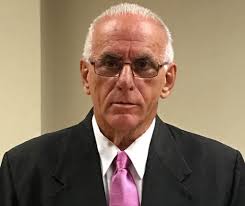
Social activist and former government minister Dwyer Astaphan has raised a series of questions and concerns regarding a Memorandum of Understanding (MOU) reportedly signed between the Government of St. Kitts and Nevis and the United States, which involves the acceptance of third-country nationals.
Speaking in an excerpt from a recent public commentary, Astaphan questioned explanations given by Prime Minister Hon. Dr. Terrance Drew that the arrangement would apply only to CARICOM citizens. He asked why CARICOM nationals would be relocated to St. Kitts and Nevis rather than remaining in, or returning to, their own countries.
“If there are CARICOM citizens, why here? Why not their own country?” Astaphan asked, suggesting that if individuals cannot return home due to problems there, those challenges could potentially be transferred to St. Kitts and Nevis.
Astaphan also sought clarity on the background of individuals who may be accepted under the agreement. While noting the Prime Minister’s assurance that violent and sexual offenders would be excluded, he questioned whether the screening process would also account for non-violent crimes such as fraud, embezzlement, drug trafficking, and other white-collar offences. He further raised concerns about health screening, including psychological and psychiatric evaluations and testing for communicable diseases.
In addition, Astaphan questioned the country’s capacity to absorb additional people, pointing to existing infrastructure challenges. He asked whether the United States would provide financial or other support to offset the cost of hosting third-country nationals, and whether smaller states truly have the ability to refuse such arrangements without facing consequences.
He also queried the basis for the reported exclusion of Haitian nationals from the agreement and called for transparency regarding when the MOU was signed. Referencing comments by the Prime Minister of St. Lucia that such arrangements are handled on a case-by-case basis and that governments cannot be forced to accept individuals, Astaphan expressed skepticism, suggesting that Caribbean states have previously faced pressure to accept larger numbers than initially indicated.
Turning to the broader geopolitical context, Astaphan linked the issue to U.S. visa restrictions and travel policies affecting Caribbean nationals. He argued that these measures reflect deeper global dynamics and urged citizens to adapt by seeking alternative opportunities and destinations.
He encouraged people to “go where you are wanted” and to diversify travel, trade, and economic relationships, while also maintaining respectful engagement with people from the United States.
Astaphan’s comments come as public discussion continues around the reported MOU, with calls from various quarters for greater transparency, clarity on safeguards, and assurances that national security, public health, and infrastructure concerns will be fully addressed.